
INTRODUCTION
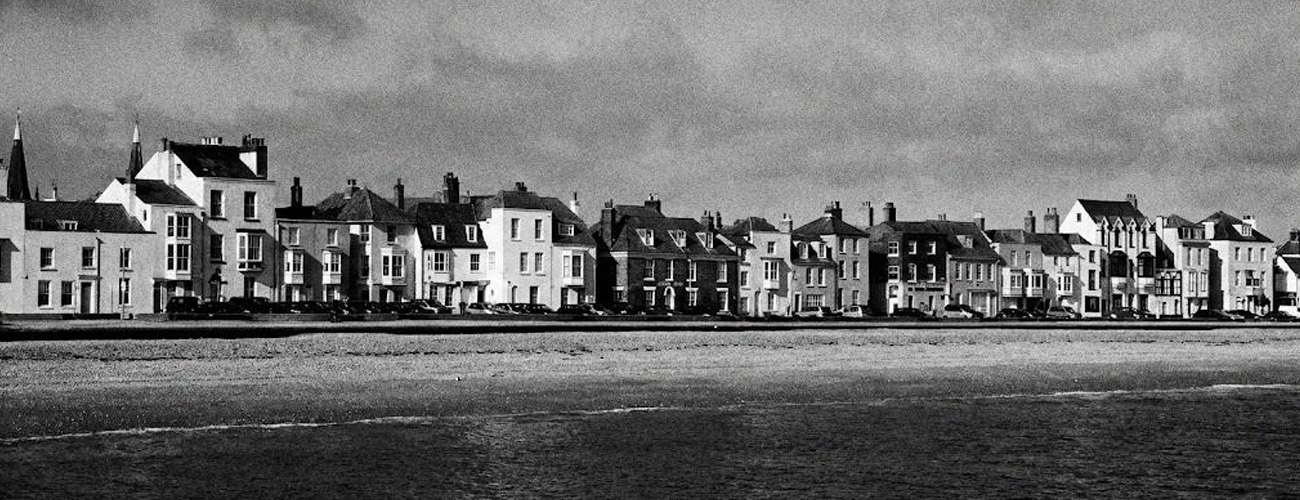
Deal is a small, picturesque town on the East Kent Coast which thrived historically through fishing, mining and as a garrison town. It provided a natural harbour for shipping in the days of sailing ships and was once the busiest port in England.
In 1987 the Director Luke Dixon and Designer Paul Dart arrived in Deal accompanied by a team of professional actors and technicians to offer local people an opportunity to engage in all aspects of theatre making through The Deal Theatre Project. They were introducing Shakespeare, as the town had never seen it before, to The Astor Theatre. Formerly a brewery, The Astor had been converted to a theatre and presented as a gift to the town by Lord Astor in recognition of the courage and community spirit shown by the people there in World War 2. With Community as a key word for the enterprise, the Theatre Project’s Administrators, Suzanne Smith and Liz Turner set about involving businesses, the council and individuals who wanted to take part.
The first performance was A Midsummer Night’s Dream. The local interest in both acting and stage management was so great that there were two separate casts of Mechanicals to ensure that no one who wanted to participate was turned away. Local amateurs were given some of the major roles including Bottom and Puck and everyone experienced the benefit of workshops alongside the professional cast.
Paul Dart’s design completely transformed the Astor by introducing raked seating created from scaffolding to maximise capacity for the two-week run of the show. On the last night the entire cast and audience left the theatre in procession to the Pier gathering up passers-by as they went. The last act of the play was performed and culminated in a grand celebration entitled Hippolyta’s Wedding. There was dancing for all to the Betteshanger Colliery Band and pyrotechnics were provided by the local company Astra Fireworks. The Pier itself was opened in 1957 as part of the Festival of Britain and remains the only surviving leisure Pier in Kent.
The Deal Theatre Project moved out into non-theatre spaces which included two magnificent Castles built by Henry VIII to defend the narrowest part of the English Channel from invasion. Deal Castle was the atmospheric site for Pericles and Faustus with the audience being led around the battlements and into the heart of the keep to follow the drama. The spacious grounds of Walmer Castle, that were used for Romeo and Juliet and The Winter’s Tale, provided wonderful scope for procession and the creation of different worlds for the audience to visit. Deal Beach was the location for Caesar on the Beach which performed in all weathers. Deal Library provided an intimate setting for Waiting for Godot and the Pier was chosen once more for a spectacularly imaginative interpretation of Shakespeare’s last play which, in this version, was called A Tempest.
The Deal Theatre Project team were invited by English Heritage, with approval from Clarence House, to create a performance piece for the celebration of the Queen Mother’s 90th birthday in the grounds of Walmer Castle which was her official residence as Lord Warden of the Cinque Ports. As usual, a combination of professional and amateur talent was involved including The Royal Marines Band from the School of Music which was based in Deal at the time.
Several of the Deal people who performed with the Project went on to have successful careers in theatre making and the arts and it is still fondly remembered by participants and audiences alike almost 40 years on. Deal Museum now houses an archive of the work including photographs, costume designs and the posters designed by Quentin Blake especially for the project.
The Deal Theatre Project Archive
is housed at
The Deal Museum
22 St George’s Road
Deal
Kent
CT14 6BA
www.dealmuseum.uk
